UNESCO WORLD HERITAGE SITE IN ARABBA: THE DOLOMITES
Arabba in the Belluno Dolomites, called Rèba in the local Ladin language, is located at an altitude of 1,602 metres at the foot of the imposing Sella and Col di Lana massifs. It is the most important town in the Fodom Valley.
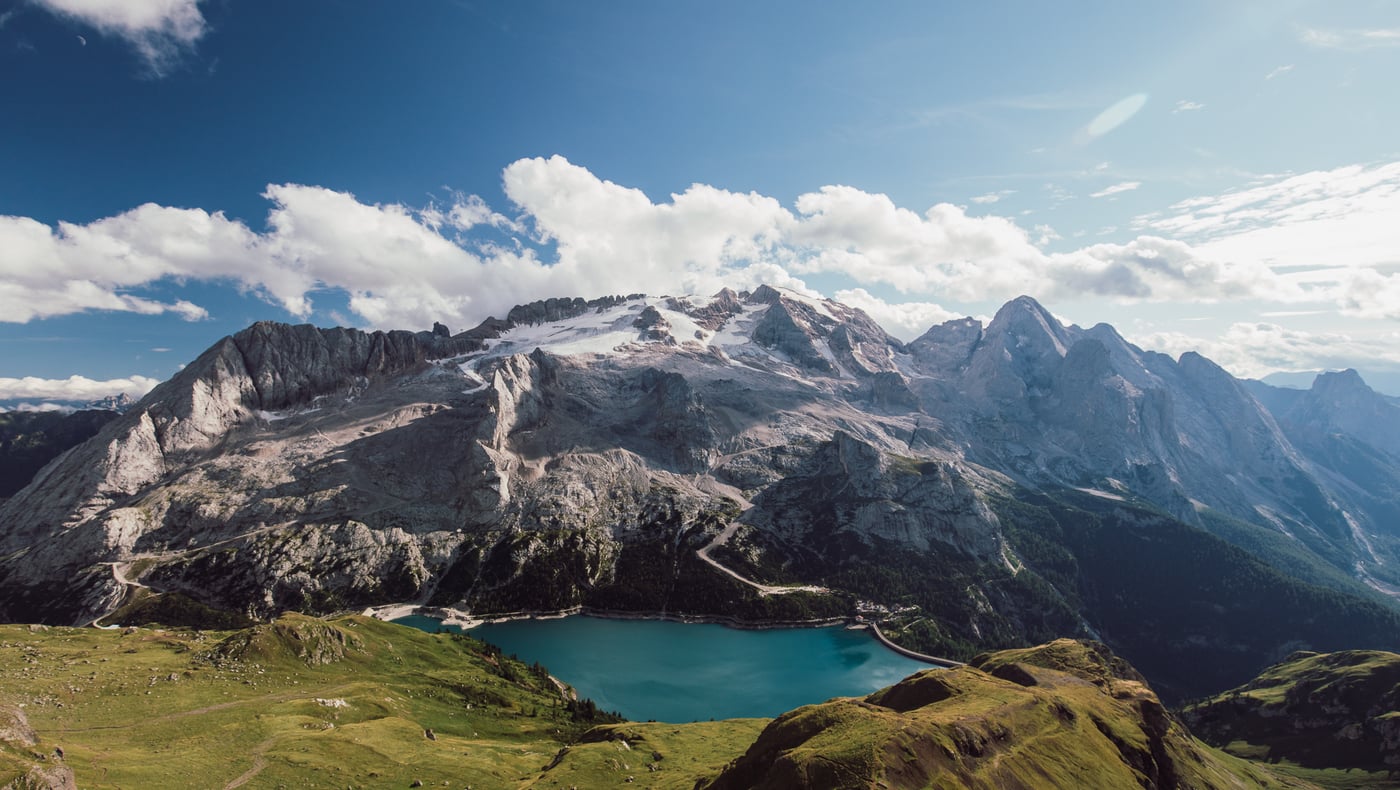
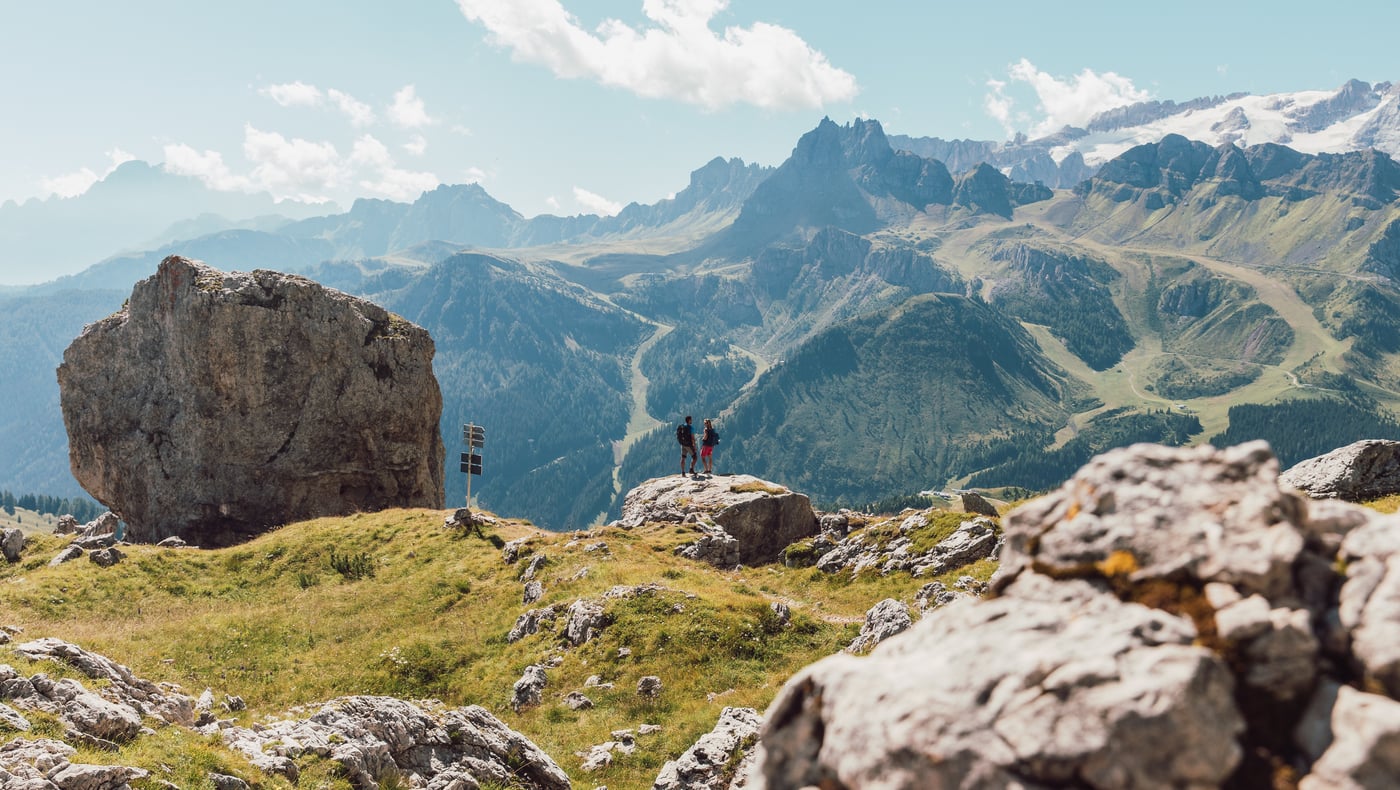

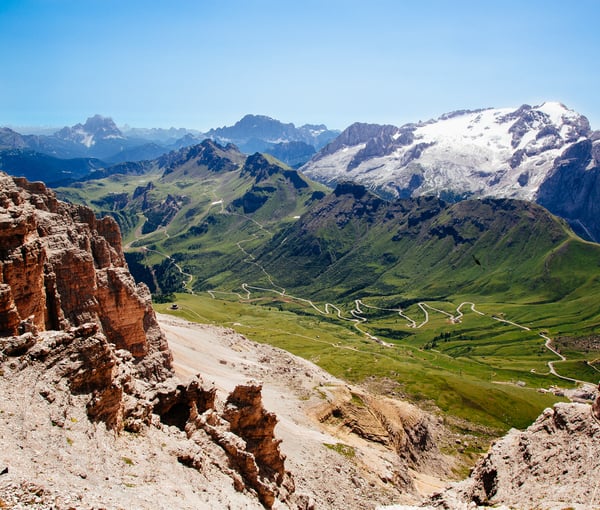
The Dolomites mountain range is located on the south-eastern border of the Alps and is divided between the regions of Veneto (provinces of Belluno, Vicenza and Verona), Trentino-Alto Adige and Friuli-Venezia Giulia (provinces of Udine and Pordenone).
It consists mainly of carbonate rock and was formed in the Triassic period (about 250 million years ago). At that time, the area was still covered by the sea, but due to tectonic activity, calcareous algae, shells and corals were raised to over 3,000 m above sea level (a process called Alpine orogeny).
The Dolomites were first studied between 1700 and 1800 by the French naturalist Deodat de Dolomieu and subsequently named in his honour. They first appeared in written sources in 1864 in a travelogue by the English naturalists Churchill and Gilbert.
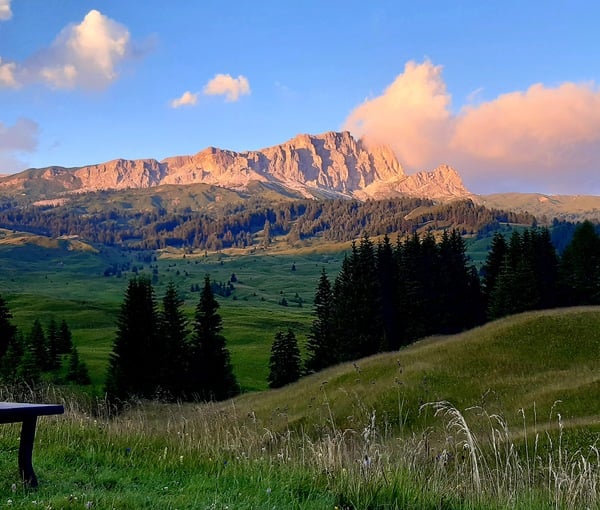
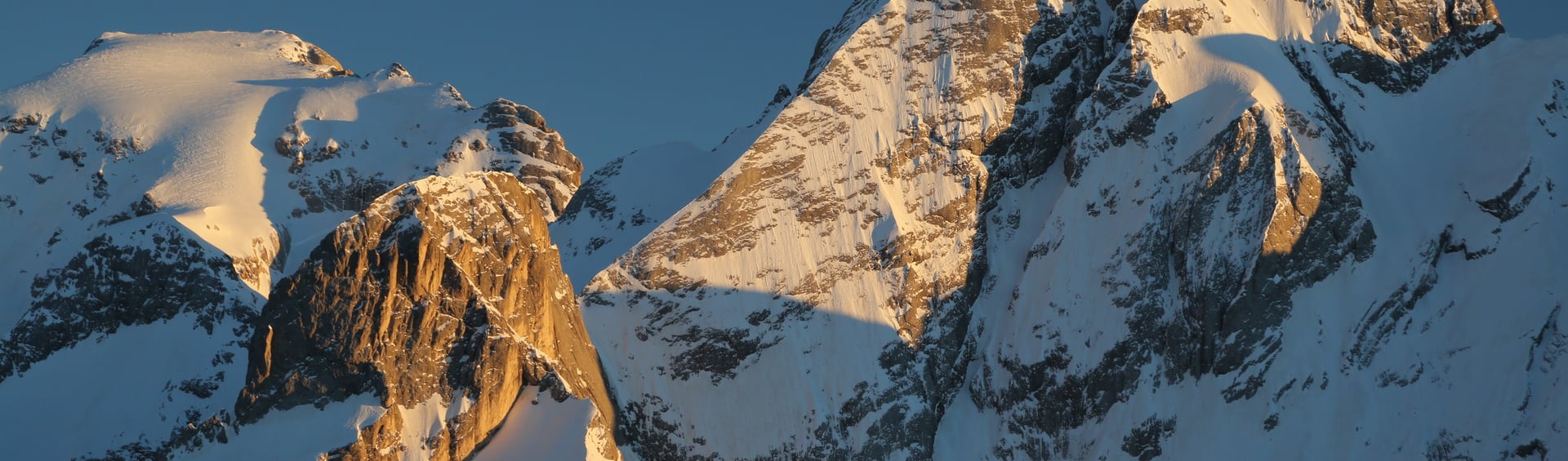
The "Pale Mountains“, which they are called because of the colour of the rock, have a high capacity to reflect light. At sunrise and sunset, when the sun is low and blue light is almost completely filtered by the earth’s atmosphere, the rock walls glow from pink to orange to fiery red - a phenomenon called "Enrosadira“. It’s one of the features that has won this earthly paradise the title of UNESCO World Heritage on June 26th, 2009.
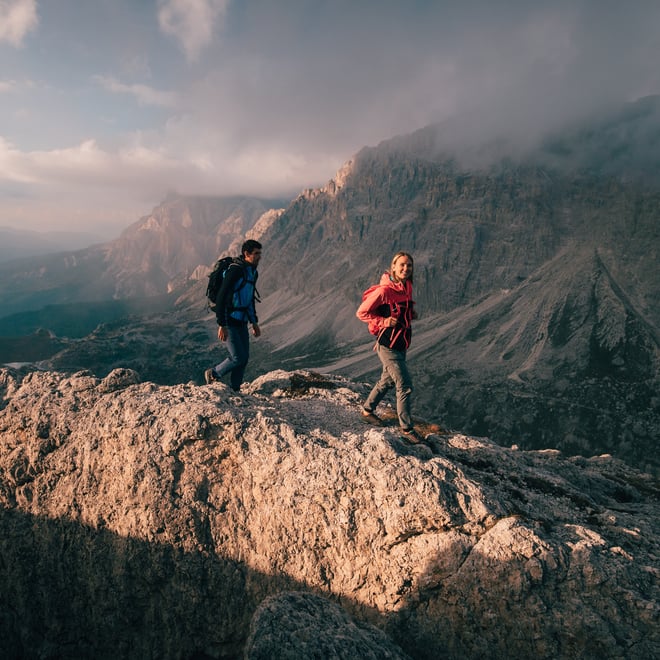
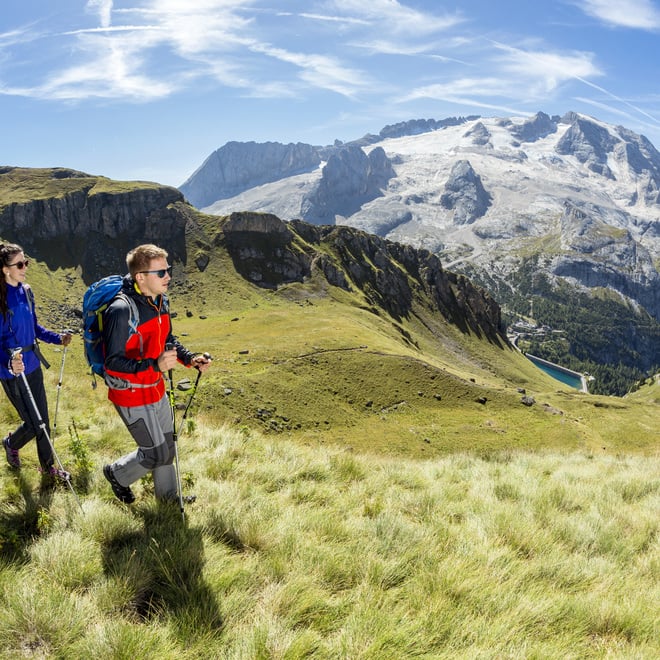
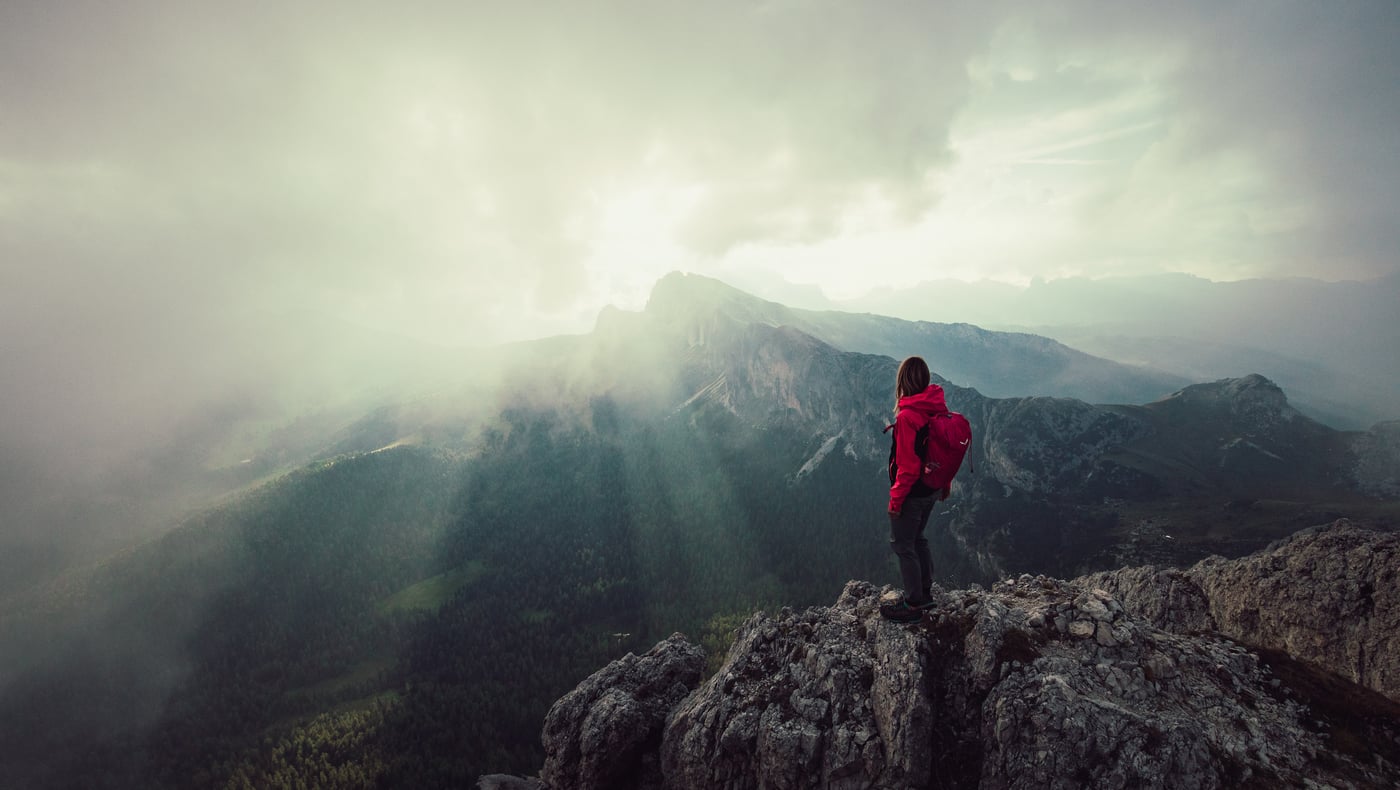
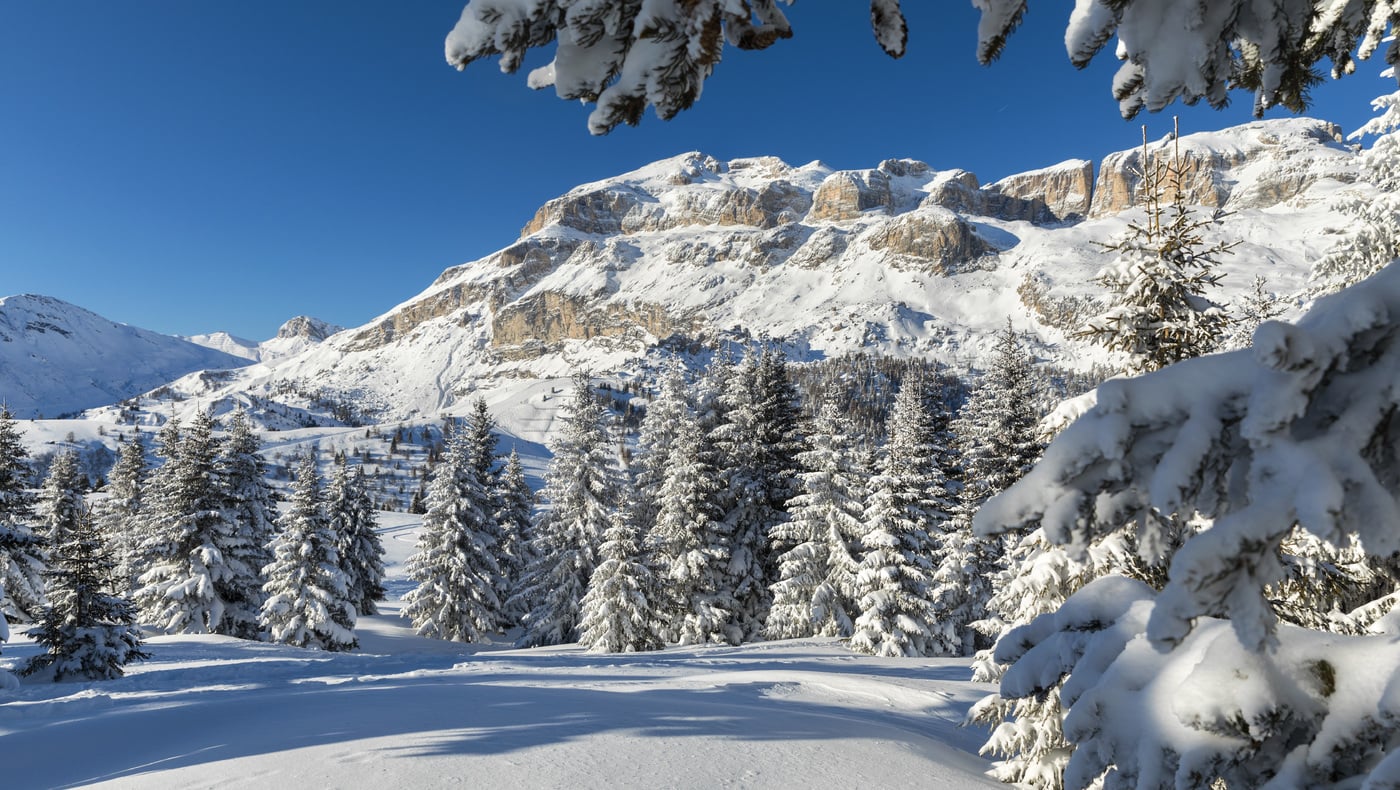
Today, the Belluno Dolomites are an extremely versatile destination in all seasons and offer a wide range of activities for your vacation in the Dolomites: skiing, ski touring and cross-country skiing in winter, hiking, climbing, road/mountain biking and even car/motorbike driving in summer are just a few examples. But there is also room for those who love peace, quiet and relaxation: meadows, forests and pastures that are green in summer, white and snowy in winter and colourful in spring and autumn, allow you to completely disconnect from everyday city life and live a unique experience in the mountains.
The "Setsass" massif that rises behind Arabba in the Dolomites consists of two ancient overlapping atolls: the "Setsass" and the “small Setsass". It was one of the first areas in the Dolomites to be studied and is also called "Richthofen“cliff after its researcher. His work, which laid the foundations of modern geology, contributed important insights to the theory of plate tectonics.
The well-preserved geometry of the two cliffs with fossil underwater ramps and organic deep-sea deposits, the so-called “formation of S.Cassiano“, give the Settsass massif an enormous geological importance.
The "Pale Mountains“, which they are called because of the colour of the rock, have a high capacity to reflect light. At sunrise and sunset, when the sun is low and blue light is almost completely filtered by the earth’s atmosphere, the rock walls glow from pink to orange to fiery red - a phenomenon called "Enrosadira“. It’s one of the features that has won this earthly paradise the title of UNESCO World Heritage on June 26th, 2009.
Today, the Belluno Dolomites are an extremely versatile destination in all seasons and offer a wide range of activities for your vacation in the Dolomites: skiing, ski touring and cross-country skiing in winter, hiking, climbing, road/mountain biking and even car/motorbike driving in summer are just a few examples. But there is also room for those who love peace, quiet and relaxation: meadows, forests and pastures that are green in summer, white and snowy in winter and colourful in spring and autumn, allow you to completely disconnect from everyday city life and live a unique experience in the mountains.
The "Setsass" massif that rises behind Arabba in the Dolomites consists of two ancient overlapping atolls: the "Setsass" and the “small Setsass". It was one of the first areas in the Dolomites to be studied and is also called "Richthofen“cliff after its researcher. His work, which laid the foundations of modern geology, contributed important insights to the theory of plate tectonics.
The well-preserved geometry of the two cliffs with fossil underwater ramps and organic deep-sea deposits, the so-called “formation of S.Cassiano“, give the Settsass massif an enormous geological importance.