Life in Arabba is shaped by the magic of the mountains
Then and now, in the Belluno Dolomites, the mountains inspire and challenge alike
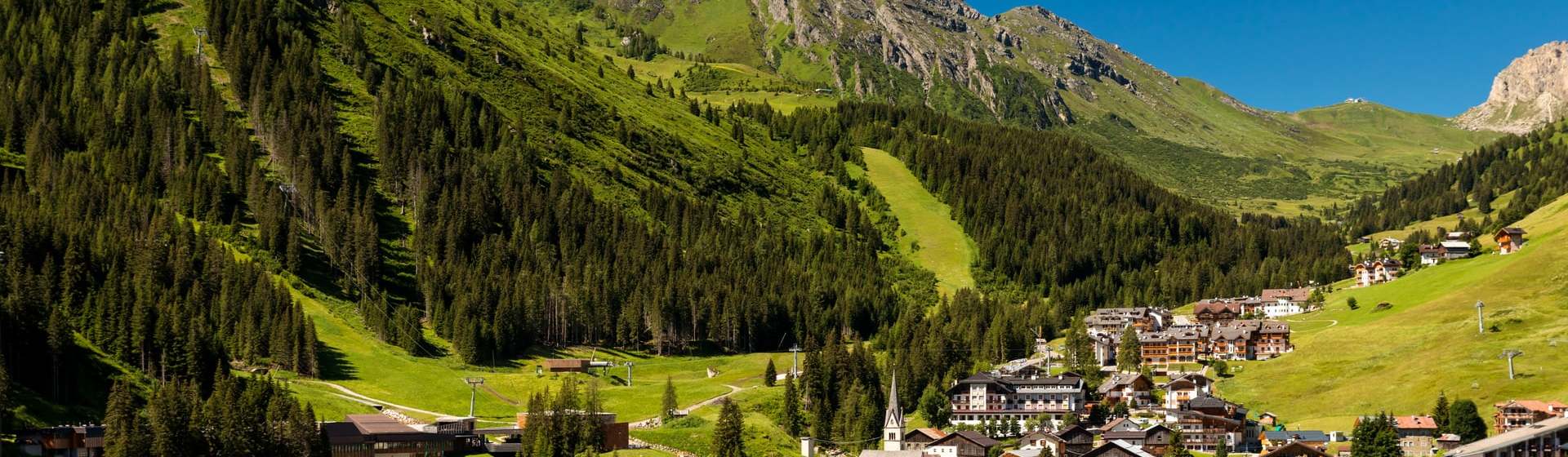
Anyone who says Arabba must also say Dolomites. The small village in the municipality of Livinallongo del Col di Lana, in the province of Belluno, is surrounded by the majestic “pale mountains”, part of the UNESCO World Heritage since 2009. Living so close to the mountains means learning to embrace their advantages while respecting their risks.
Let’s take a look at how the Belluno Dolomites have shaped and influenced life over time.
Livelihood: agriculture and livestock farming
Until just a few decades ago, most people in the Dolomites regions worked in agriculture. However, farming was mainly intended for self-sufficiency rather than for sale. At higher altitudes and on steep slopes, grains and potatoes, vegetables and herbs were grown, while fruit varieties were relatively limited.
Livestock farming played a larger role: cattle, sheep, and goats provided meat and dairy products. In summer, they still graze on the wide alpine pastures at the foot of the mountains. Farmers’ work was hard and heavily dependent on weather conditions and natural hazards, standing in contrast to today’s use of the mountains and to a often romanticized view of the past.
Culture: legends, craftsmanship, and traditions
In the valleys of the Dolomites, which remained relatively isolated for a long time due to geographical barriers, a unique culture developed. In the Belluno Dolomites, the ancient Ladin language has been preserved, originating from a blend of Vulgar Latin and local dialects.
The Ladin people have also created a rich heritage of traditions: traditional costumes, craftsmanship—especially wood carving, embroidery, and stone work—folk festivals, music and singing, as well as myths and legends in which the Dolomites play a central role. All of these elements stem from the traditional lifestyle of local communities and today represent an important cultural and economic asset.
World War I: the front in rock and ice
The Dolomites were not spared during World War I. Between 1915 and 1918, the front line between Austria-Hungary and Italy ran directly through the mountains, creating extremely harsh conditions for soldiers.
Equipment and supplies had to be laboriously transported using mules, porters, and later the first cable cars. Positions were often maintained under extreme hardship, and natural dangers and living conditions caused more casualties than combat itself. The valley population was also affected: many were evacuated or forced to leave their homes, while those who remained were often required to provide goods or labor.
Tourism: opportunity and challenge
After World War II, the entire Alpine region experienced a tourism boom. More people could afford to travel, and the first entrepreneurs began investing in tourism infrastructure.
Today, hospitality in the Arabba in the Dolomites has a long tradition—our village is one of the most popular destinations for a vacation Dolomites experience. This is thanks both to its breathtaking natural beauty and alpine charm, which have remained largely unchanged, and to modern, well-maintained facilities such as ski lifts, via ferratas, and hiking trails.
With the growing number of visitors, efforts to preserve this unique natural heritage are also increasing. Sustainability and gentle tourism are becoming more and more important.
Mountain sports: balance between fitness and nature
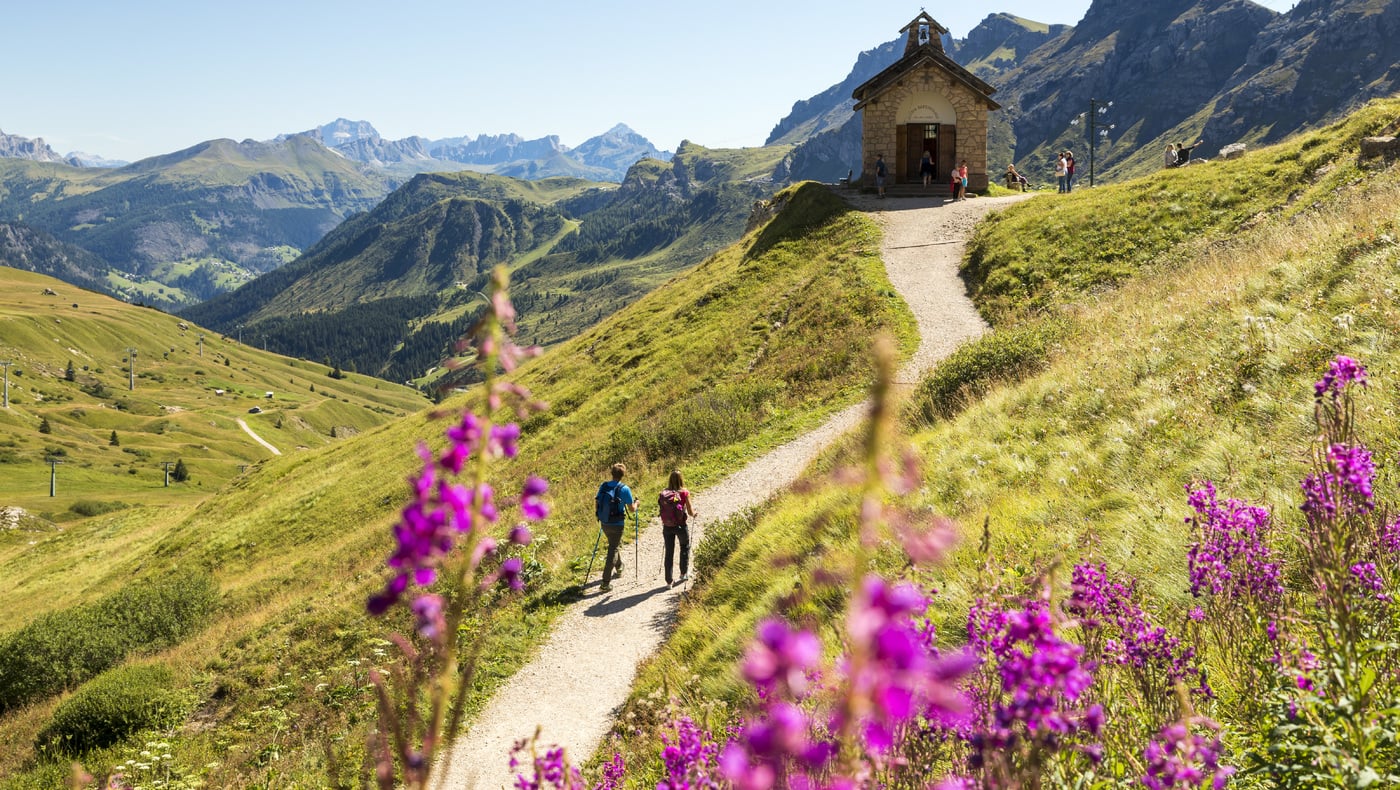
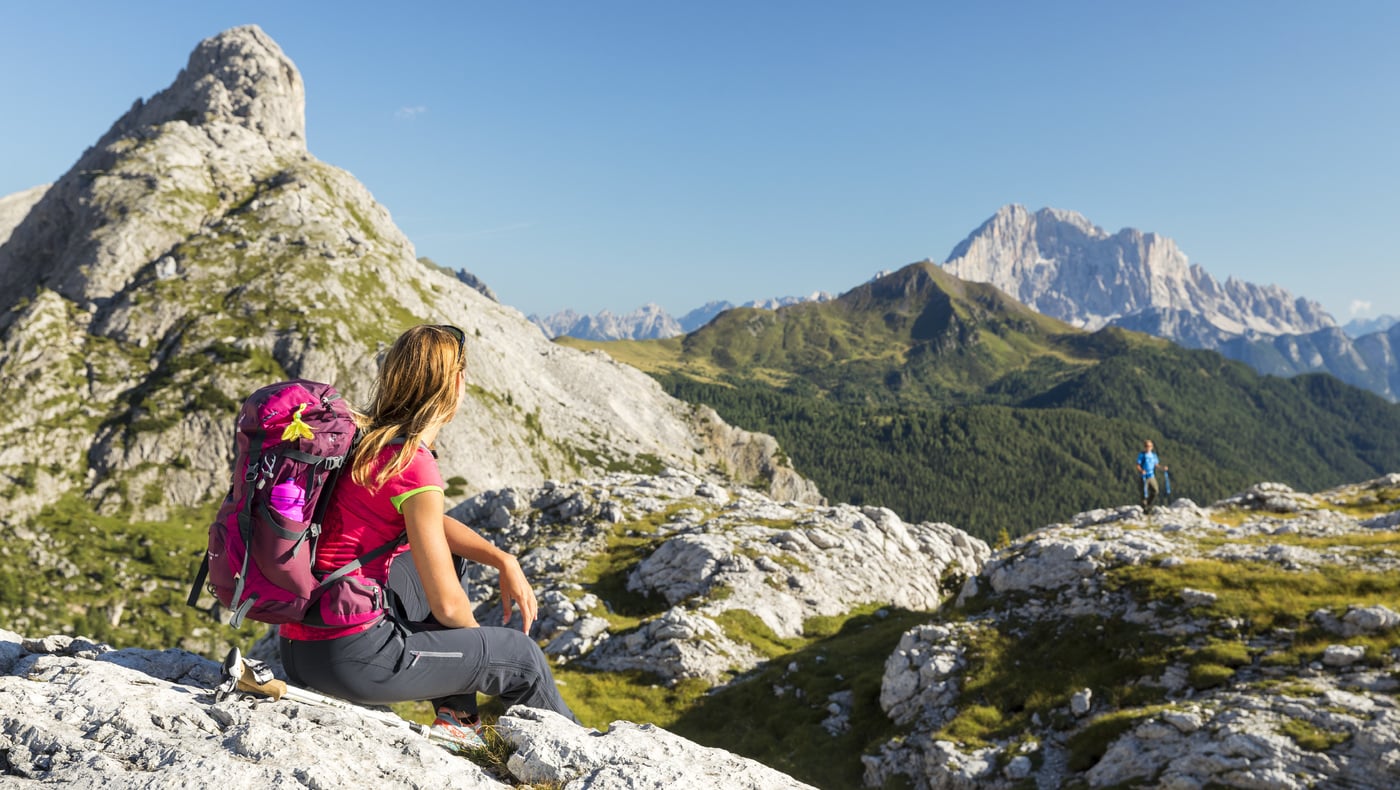
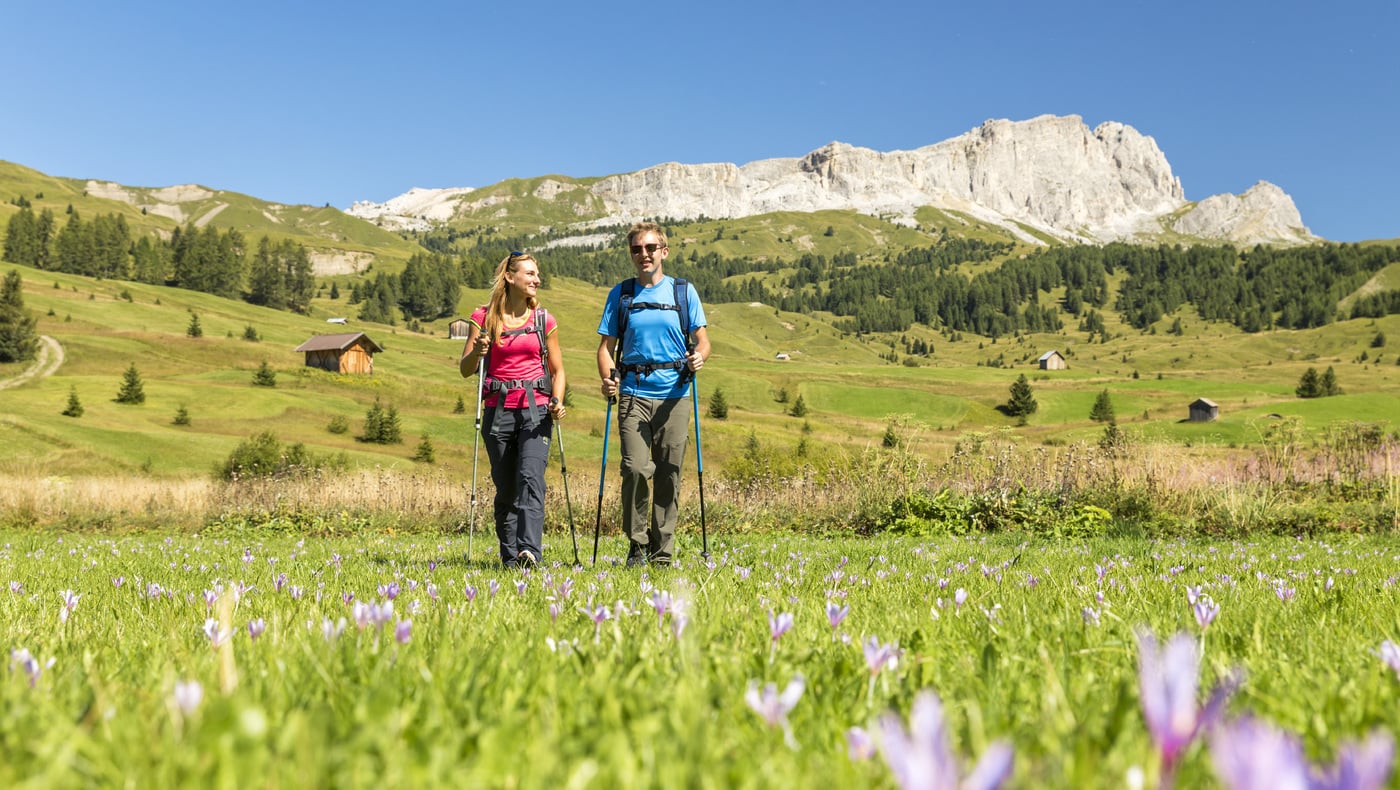
Those who love nature, want to stay fit, or both, will find the perfect environment in the Belluno Dolomites. Between valleys, forests, alpine meadows, high peaks, and glaciers, guests and locals alike enjoy ideal conditions and modern infrastructure for almost every imaginable sport.
In summer, hikers, climbers, and mountain bikers share the trails, while in winter a wide range of ski slopes, cross-country tracks, ski touring routes, and snowshoe trails attract outdoor enthusiasts. Most activities combine physical exercise with nature experiences and relaxation, and there is also a strong social aspect, with breaks enjoyed in the welcoming atmosphere of rustic mountain huts.
Nevertheless, the mountains always deserve respect: proper equipment, careful planning, and mutual consideration are essential for a safe and enjoyable day during your vacation Dolomites.
Anyone visiting the Arabba in the Dolomites today experiences the mountains at their very best: stunning nature, outdoor activities, authentic culture, and excellent cuisine. Those interested can also discover traces of the past, such as World War I trenches, traditional alpine huts, and a variety of fascinating artifacts in local museums.
Interested? Then book your next vacation in Arabba now!
Let’s take a look at how the Belluno Dolomites have shaped and influenced life over time.
Livelihood: agriculture and livestock farming
Until just a few decades ago, most people in the Dolomites regions worked in agriculture. However, farming was mainly intended for self-sufficiency rather than for sale. At higher altitudes and on steep slopes, grains and potatoes, vegetables and herbs were grown, while fruit varieties were relatively limited.
Livestock farming played a larger role: cattle, sheep, and goats provided meat and dairy products. In summer, they still graze on the wide alpine pastures at the foot of the mountains. Farmers’ work was hard and heavily dependent on weather conditions and natural hazards, standing in contrast to today’s use of the mountains and to a often romanticized view of the past.
Culture: legends, craftsmanship, and traditions
In the valleys of the Dolomites, which remained relatively isolated for a long time due to geographical barriers, a unique culture developed. In the Belluno Dolomites, the ancient Ladin language has been preserved, originating from a blend of Vulgar Latin and local dialects.
The Ladin people have also created a rich heritage of traditions: traditional costumes, craftsmanship—especially wood carving, embroidery, and stone work—folk festivals, music and singing, as well as myths and legends in which the Dolomites play a central role. All of these elements stem from the traditional lifestyle of local communities and today represent an important cultural and economic asset.
World War I: the front in rock and ice
The Dolomites were not spared during World War I. Between 1915 and 1918, the front line between Austria-Hungary and Italy ran directly through the mountains, creating extremely harsh conditions for soldiers.
Equipment and supplies had to be laboriously transported using mules, porters, and later the first cable cars. Positions were often maintained under extreme hardship, and natural dangers and living conditions caused more casualties than combat itself. The valley population was also affected: many were evacuated or forced to leave their homes, while those who remained were often required to provide goods or labor.
Tourism: opportunity and challenge
After World War II, the entire Alpine region experienced a tourism boom. More people could afford to travel, and the first entrepreneurs began investing in tourism infrastructure.
Today, hospitality in the Arabba in the Dolomites has a long tradition—our village is one of the most popular destinations for a vacation Dolomites experience. This is thanks both to its breathtaking natural beauty and alpine charm, which have remained largely unchanged, and to modern, well-maintained facilities such as ski lifts, via ferratas, and hiking trails.
With the growing number of visitors, efforts to preserve this unique natural heritage are also increasing. Sustainability and gentle tourism are becoming more and more important.
Mountain sports: balance between fitness and nature
Those who love nature, want to stay fit, or both, will find the perfect environment in the Belluno Dolomites. Between valleys, forests, alpine meadows, high peaks, and glaciers, guests and locals alike enjoy ideal conditions and modern infrastructure for almost every imaginable sport.
In summer, hikers, climbers, and mountain bikers share the trails, while in winter a wide range of ski slopes, cross-country tracks, ski touring routes, and snowshoe trails attract outdoor enthusiasts. Most activities combine physical exercise with nature experiences and relaxation, and there is also a strong social aspect, with breaks enjoyed in the welcoming atmosphere of rustic mountain huts.
Nevertheless, the mountains always deserve respect: proper equipment, careful planning, and mutual consideration are essential for a safe and enjoyable day during your vacation Dolomites.
Anyone visiting the Arabba in the Dolomites today experiences the mountains at their very best: stunning nature, outdoor activities, authentic culture, and excellent cuisine. Those interested can also discover traces of the past, such as World War I trenches, traditional alpine huts, and a variety of fascinating artifacts in local museums.
Interested? Then book your next vacation in Arabba now!